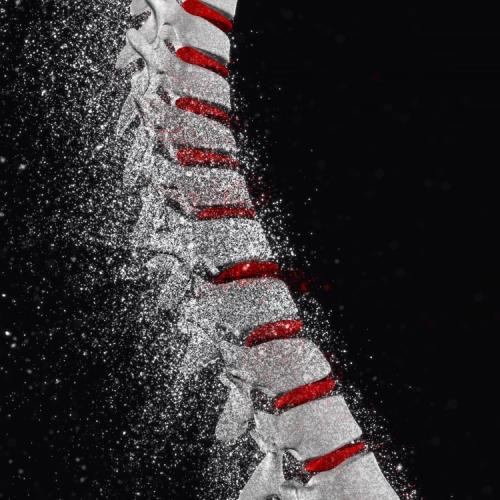

Non-Surgical Spinal Decompression

Do you have a herniated disc, multiple herniated discs, sciatica, degenerative disc disease, facet syndrome, or any other type of spinal problem? Is your doctor suggesting surgery, pain management, or physical therapy? Have you tried other clinics and just did not get enough relief? Come to CORE Health Centers and try out non-surgical spinal decompression.

Is Spinal Decompression Right for You?

Spinal decompression therapy is not a one-size-fits-all treatment, and that’s intentional. At CORE Health Centers, we evaluate every patient before recommending a course of care. That evaluation process is part of what makes our outcomes so strong.

You may be a good candidate if you have:

  • A herniated or bulging disc in the neck or low back.
  • Degenerative disc disease with chronic pain or stiffness.
  • Sciatica (radiating pain, numbness, or tingling into the legs).
  • Facet syndrome or posterior joint pain.
  • Chronic neck pain with arm symptoms.
  • Failed to get adequate relief from chiropractic adjustments, physical therapy, or pain medication.
  • Been told surgery is your only option — and want to explore a non-surgical alternative first.

Spinal decompression may not be appropriate if you have:

  • Spinal fusion with metal hardware at the affected level
  • Spinal fracture, tumor, or infection
  • Advanced osteoporosis
  • Pregnancy
  • Certain vascular conditions affecting the spine

If you’re unsure whether you qualify, the best next step is a consultation. We’ll review your history, imaging, and symptoms and give you an honest answer.

Conditions We Treat with Spinal Decompression
Icon of a person standing in a side profile with one arm bent forward, symbolizing chiropractic care. A mirrored outline of the person is shown behind them, slightly offset to the right, creating an impression of movement or pain relief. The background is light grey.

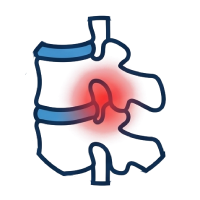
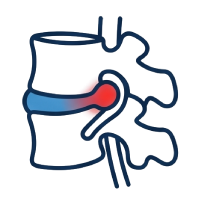
Herniated Disc

Soft inner disc material pushes through the outer layer, irritating surrounding nerves.
Icon of a person standing in a side profile with one arm bent forward, symbolizing chiropractic care. A mirrored outline of the person is shown behind them, slightly offset to the right, creating an impression of movement or pain relief. The background is light grey.

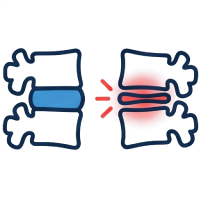
Degenerative Disc Disease

Discs lose hydration and height over time, narrowing the space between vertebrae and compressing nerves.
Icon of a person standing in a side profile with one arm bent forward, symbolizing chiropractic care. A mirrored outline of the person is shown behind them, slightly offset to the right, creating an impression of movement or pain relief. The background is light grey.

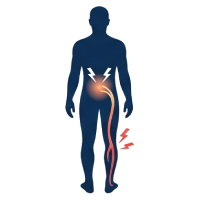
Sciatica

Nerve compression in the lower back causes radiating pain, numbness, or tingling down one or both legs.
Icon of a person standing in a side profile with one arm bent forward, symbolizing chiropractic care. A mirrored outline of the person is shown behind them, slightly offset to the right, creating an impression of movement or pain relief. The background is light grey.

Facet Syndrome

Spinal joints become inflamed and painful, often due to disc degeneration.
Icon of a person standing in a side profile with one arm bent forward, symbolizing chiropractic care. A mirrored outline of the person is shown behind them, slightly offset to the right, creating an impression of movement or pain relief. The background is light grey.

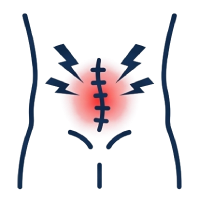
Failed Back Surgery Syndrome

Persistent pain remains after spinal surgery in patients without metallic fusion.

Why Choose Non-Surgical Spinal Decompression Over Surgery?

Compressed spinal discs are a primary cause of back, neck, and radiating limb pain. Unlike traditional traction, which can trigger muscle spasms that increase spinal pressure, computerized decompression tables gently apply tension without eliciting these reflexes. This significantly lowers intradiscal pressure, allowing herniated material to retract and helping the body repair damaged discs and nerves.

Clinical studies demonstrate the effectiveness of this non-surgical approach:

  • 10% to 90% reduction in disc herniation, depending on the number of sessions.
  • 86% of patients experienced immediate resolution of symptoms.
  • 84% of patients remained pain-free 90 days post-treatment.

What Does a Spinal Decompression Session Look Like?

One of the most common questions we hear is: “Will it hurt?”. The short answer is no – most patients find spinal decompression to be comfortable, and many fall asleep on the table. Here’s a general overview of what your sessions look like:

A green circular icon with the number "1." in white, symbolizing top-tier chiropractic care.

Your First Visit to our Clinic

Before your first decompression session, one of our doctors will review your case, answer your questions, and confirm that spinal decompression is appropriate for your condition. If you have recent imaging (MRI or X-ray), bring it along. That helps us customize your treatment parameters from the start.

A green circular icon with the number "1." in white, symbolizing top-tier chiropractic care.

During Each Session

You’ll be positioned on our computerized decompression table, fully clothed. A harness is fitted around your hips. The table gently applies a precise, controlled distraction force to the targeted spinal segment. Sessions typically last 20 to 30 minutes. The tension cycles of pulling and releasing reduce intradiscal pressure without triggering muscle spasm, which is what separates decompression therapy from basic traction.

A green circular icon with the number "1." in white, symbolizing top-tier chiropractic care.

Between Sessions

Some patients feel relief after just a few sessions. Others experience a gradual improvement over several weeks. Mild soreness after the first session or two is normal and typically resolves quickly. Our team monitors your progress throughout the program and adjusts your care as needed.

A green circular icon with the number "1." in white, symbolizing top-tier chiropractic care.

Recommended Program Length

Most patients complete between 10 and 20 sessions depending on the severity and chronicity of their condition. Our programs are comprehensive, so your plan may also include chiropractic adjustments, physiotherapy, infrared therapy, and spinal rehabilitation exercises to support lasting results.

Request Appointment

spine-copy

Existing Patient?

WHEN SHOULD YOU CONSIDER SPINAL DECOMPRESSION?

If daily life is being affected by severe disc or nerve pain, it is time to seek care. Too often, medical doctors and orthopedists withhold transparent options, leaving people unaware that relief exists outside of drugs and surgery.

You should explore spinal decompression at CORE Health Centers if you:

  • Have pain radiating down your leg.
  • Experience numbness, tingling, or weakness.
  • Notice symptoms worsening with activity or sitting.
  • Haven’t found relief with standard rest or home care.
Icon of a person standing in a side profile with one arm bent forward, symbolizing chiropractic care. A mirrored outline of the person is shown behind them, slightly offset to the right, creating an impression of movement or pain relief. The background is light grey.

Find a CORE Location Near You

If you are ready to explore your treatment options, reach out to one of the 21 CORE Health Centers locations today to take advantage of our specialized new patient offers.

Spinal Decompression FAQs

Is Spinal Decompression Right for you?
If you’re struggling with chronic back or neck pain, spinal decompression could be the breakthrough you’ve been looking for. Our doctors will evaluate your condition, review your imaging, and build a plan that fits your needs.
Can spinal decompression therapy really help with my pain?
Every body is different, so there’s no perfect guarantee. But clinical studies (and our own experience) show success rates around 86% for those with disc-related issues. Decompression works by gently unloading the vertebrae, lowering pressure inside damaged discs, and boosting nutrient flow to support repair.
Is this therapy “new”?
In concept, no. Traction has existed for a long time, but modern decompression is newer and much more advanced. The big difference? Traditional traction just pulls. Decompression alternates pull + rest cycles to reduce reflex muscle contraction and better unload the disc. Also, many cheaper walking-rope or pulley systems out there are NOT real decompression; don’t be fooled.
Will decompression treatments hurt? Is it safe?
Nope. Most patients report it feels like a gentle stretch in the back or hips, and many even fall asleep during the session. We use FDA-cleared equipment and time-tested protocols.
Why do I need exercises or other therapies along with decompression?
Because discs don’t exist in isolation. The surrounding spinal muscles, ligaments, and joints all contribute to your support system. Decompression opens space and supports the disc, but strength, stability, and mobility require active work. That’s why we often pair it with strengthening, rehab, infrared or other therapies.
How long will my treatment plan be?
This depends on how severe your condition is. Typically, we see patients 3–5 times per week for 4–6 weeks in the initial phase. Throughout, we evaluate your progress and may adjust the plan or taper frequency based on your response.
Will my pain come back after the treatment ends?
We can’t promise forever, but many patients experience significant long-term relief. Continuing with home exercises, periodic check-ups, and maintaining good spinal posture all help reduce the chance of relapse.

Ready to Find Relief with Spinal Decompression?

Imagine a life without physical pain or the harmful side effects of prescription drugs. The CORE Health Centers team can use spinal decompression to help relieve your symptoms and get you on the road to a pain-free life today.
Skip to main content

Consent Preferences