

What Is Inflammation?
Inflammation is the body’s immune response to stress, injury, or irritation. Short-term inflammation supports healing, but when it becomes chronic, it can contribute to:
- Persistent pain and stiffness
- Reduced range of motion
- Joint and muscle tension
- Fatigue and poor recovery
Chronic inflammation is often influenced by stress, poor posture, repetitive movement, and limited joint mobility.
The Spine, Nervous System, and Inflammation
The spine protects the spinal cord, which controls communication between the brain and the rest of the body. When spinal joints lose proper motion or become irritated, that communication can be disrupted.
This disruption may keep the body in a prolonged “fight-or-flight” state, which is associated with increased inflammatory activity. Chiropractic care focuses on restoring proper joint motion, helping the nervous system function more efficiently and supporting the body’s natural ability to regulate inflammation.
How Chiropractic Care May Help Reduce Inflammation
Chiropractic adjustments are designed to improve spinal movement and reduce stress on joints and nerves. This may help by:
- Reducing joint irritation and mechanical stress
- Improving nerve signaling and muscle balance
- Supporting relaxation and recovery through nervous system regulation
- Enhancing circulation and lymphatic flow
Many patients notice decreased stiffness, improved mobility, and reduced discomfort with consistent care.
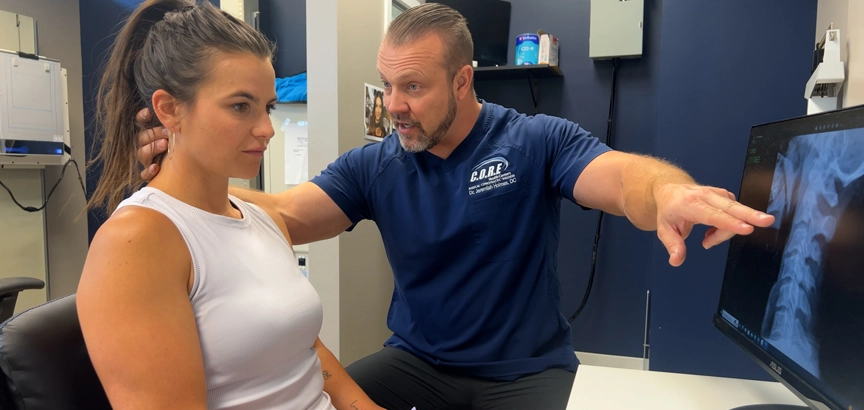
Inflammation-Related Conditions Chiropractic May Help
People commonly seek chiropractic care for inflammation associated with:
- Back Pain and Neck Pain
- Joint stiffness or arthritis-related discomfort
- Headaches and migraines
- Sciatica
- Sports injuries and overuse
- Postural strain and stress-related tension
While results vary, chiropractic care is often used as part of a comprehensive wellness approach.
Chiropractic as Part of an Anti-Inflammatory Lifestyle
Chiropractic care works best when combined with healthy habits such as:
- Anti-inflammatory nutrition
- Regular movement and stretching
- Quality sleep
- Stress management
Together, these support long-term inflammation control rather than temporary symptom relief.
Final Thoughts
Inflammation is influenced by how well the body functions as a whole. By improving spinal mobility and supporting nervous system balance, chiropractic care may help the body reduce inflammation naturally and move more comfortably.
If inflammation is affecting your daily life, chiropractic care may be a valuable, non-invasive option to support healing and overall wellness.
Does chiropractic care help reduce inflammation?
Yes, chiropractic care may help reduce inflammation by improving spinal mobility, reducing joint stress, and supporting healthy nervous system function. When joints move properly and nerve irritation is reduced, the body is better able to regulate inflammatory responses naturally.
How does chiropractic care affect inflammation in the body?
Chiropractic care supports inflammation regulation by restoring proper joint motion and improving communication between the brain and body. This can help reduce physical stress, muscle tension, and nervous system overload that may contribute to chronic inflammation.
Can chiropractic care help with chronic inflammation?
Chiropractic care does not treat inflammatory diseases directly, but it may help the body better manage chronic inflammation. By improving movement, reducing mechanical stress, and supporting nervous system balance, chiropractic care is often used as part of a long-term wellness approach.
What types of inflammation-related issues can chiropractic care help with?
Chiropractic care is commonly used for inflammation-related discomfort such as back pain, neck pain, joint stiffness, headaches, sciatica, and overuse injuries. Many people seek care to improve mobility, reduce tension, and support faster recovery.
Is chiropractic care a natural option for inflammation relief?
Yes, chiropractic care is a natural, non-invasive approach that does not rely on medication or surgery. It focuses on improving spinal function and joint movement so the body can heal and regulate inflammation more effectively on its own.
How long does it take to notice inflammation improvement with chiropractic care?
Some people notice reduced stiffness or discomfort within a few visits, while others may need several weeks of consistent care. Results depend on the cause of inflammation, overall health, lifestyle habits, and how long the issue has been present.
Does chiropractic care help with systemic inflammation or just localized pain?
Chiropractic care may influence both localized and systemic inflammation by supporting nervous system regulation and stress reduction. Improved spinal function can help the body shift out of chronic stress states that are associated with widespread inflammation.
What should be combined with chiropractic care to reduce inflammation naturally?
Chiropractic care works best when combined with regular movement, anti-inflammatory nutrition, quality sleep, hydration, and stress management. This combination supports long-term inflammation reduction rather than short-term symptom relief.